Commercial pest control plan: what Rockhampton businesses should ask for
Ask for a written plan that names the included and excluded areas, the access arrangements, what each visit records and who acts on follow-up. Let a site inspection set the frequency, agree the record format before the first visit and book termite inspection separately.

Ask for a written plan that states four things: the areas it covers, how the technician gets in, what is recorded at each visit and what happens between visits. Those four items (scope, access, treatment records and follow-up) let you check whether a commercial pest control plan matches your site’s risk. Without them you have a visit calendar and little else. Insight Termite & Pest Solutions, which operates from Gracemere, makes the same point in its published service information: the choice of service should follow a site assessment.1
TL;DR
- Put the scope in writing. It should state the included areas, visit frequency, records, follow-up and exclusions, which are the items Insight’s published pricing guidance tells buyers to ask for.1
- Let an inspection set the frequency. Food, waste, deliveries, storage, several tenancies or customer areas point toward recurring service. A defined problem at one accessible site may need a single visit.1
- Agree the record format before work starts. Insight’s service information warns buyers against assuming a compliance or logbook format that nobody agreed.1
- Record who fixes what. Door seals, leaks, waste practices and storage can fall to the business, the landlord or a contractor, and the plan should list those jobs apart from the treatment.1
- Book termites separately. Insight states that general pest servicing does not cover a termite inspection.1
- Compare quotes only on matching scopes. Site size, pest, access, risk zones, records and frequency all move the price.1
What should a commercial pest control plan include?
A commercial pest control plan is a written scope for pest work at a business site. It names the areas included and excluded, the visit frequency, the access arrangements, the record produced at each visit and the follow-up between visits. It also lists building and housekeeping actions that fall to the business or the landlord. A plan missing any of these parts leaves you no way to check the work against the quote.1
Each part changes the job in a specific way:
| Plan item | What to ask for | Why it changes the job |
|---|---|---|
| Scope | Named zones inside and outside the building, plus exclusions | A small office kitchenette and a food premises with storage, waste and deliveries are different jobs |
| Access | Access window, key contact, shutdown or security needs, areas that can’t be treated during trading | Preparation, timing and re-entry depend on the treatment and the site |
| Treatment records | Date, areas inspected or treated, pest evidence, work completed, access limits, recommendations | Without a record you can’t check what each visit did |
| Follow-up | What happens between visits, who on site receives recommendations, who fixes building issues | Gaps, leaks and waste practices can keep pests coming back after treatment |
| Price basis | A quote built from the scope | Price follows site size, pest, risk zones, access, records and frequency |
Insight’s commercial page sets out the same parts as a five-step process: a site and operating brief, a site inspection, a treatment and access plan, a service record with actions, then a review of recurring risks.1 You can use that sequence as a checklist for any provider. If a quote skips the inspection and goes straight to a visit count, ask what the count is based on.
How does a site inspection set the service scope?
A site inspection sets the scope by finding where pests feed, shelter and get in, and those places often sit outside the room where someone saw one. Insight’s published commercial service information says it inspects pest activity, access points, food and waste areas, storage and building conditions before it recommends a service. Its page adds that shared walls, delivery doors, bins and roof or storage areas may matter beyond the room where the pest was seen.1
For a sense of how wide a proper inspection runs, Insight’s page on commercial pest control Rockhampton lists the areas it commonly assesses:1
- kitchens, tea rooms, amenities and staff areas;
- storerooms, shelving, packaging and delivery zones;
- bins, waste areas and exterior service spaces;
- roller doors, vents, pipework and utility penetrations;
- roof-space or subfloor clues where relevant and accessible;
- gardens, sheds, rear entries and shared tenancy edges.
The same page names the site types it scopes: offices, retail tenancies, cafes and food-adjacent premises, warehouses, workshops, storage areas and managed commercial property. It asks businesses to confirm the exact site type and operating constraints when booking.1
Compare each provider’s proposed scope with the areas that need assessment. For a shop with shared bins and an adjoining takeaway, ask whether the rear lane and tenancy edges are included. Record the reason for any exclusions.
Should the plan be one-off or recurring?
Choose recurring service when the site has ongoing exposure, and a one-off visit when the problem is defined and contained. Insight’s published guidance draws the line this way: a single visit may suit an ant trail, an isolated cockroach report or new rodent evidence at one accessible site. Recurring service may suit sites where food, waste, deliveries, storage, several tenancies or customer areas keep the exposure going. Either way, the site assessment should decide.1
Some examples of how that line falls, applying the published criteria to common Rockhampton premises:
| Site situation | Likely fit | Reason |
|---|---|---|
| Ant trail in one office kitchenette | One-off visit | Defined issue at one accessible site |
| Single cockroach report in a quiet shopfront | One-off visit, then watch | Isolated report |
| Cafe with food preparation, bins and daily deliveries | Recurring | Food, waste and deliveries create ongoing exposure |
| Warehouse holding stored goods behind roller doors | Recurring | Storage keeps the exposure going |
| Managed property with several tenancies | Recurring, recorded per tenancy | Multiple tenancies create ongoing exposure |
These rows apply the published criteria to typical cases. The inspection of your own site decides the real answer.
On a recurring plan, Insight’s page tells buyers to ask how often monitoring is proposed, what happens between visits, which areas are included and who on site receives recommendations.1 Its FAQ names food handling, waste volume, deliveries, storage, customer traffic and building condition as the factors that raise or lower a sensible frequency. It says food premises typically need more frequent servicing than a low-traffic office.1
The page also warns that a recurring plan should not be sold as a generic calendar detached from the actual risk.1 A plan that repeats the same visit whatever the last visit found is that calendar. Ask each provider how the schedule would change if the findings changed.
What access details should the plan settle?
The plan should settle when the technician can enter, who lets them in, which areas stay off-limits while the business trades and what staff do before and after treatment. Insight’s published process covers this in its treatment and access plan step, which agrees the pest, treatment zones, preparation, timing and any areas that cannot be serviced while operations continue. Site instructions for occupants, food, stock, equipment and re-entry depend on the treatment selected.1
When you enquire, Insight asks for the preferred access window, the key contact and any shutdown or security requirements. Its FAQ says timing can be discussed but availability is not assumed.1 Treat any provider’s after-hours offer the same way. Get the agreed window in writing.
Food premises need more detail here. Insight’s page says preparation, product selection and timing take stock, surfaces and equipment into account around food areas, and some work may need to happen outside operating hours.1
Access limits belong in the record too. Insight lists access limitations among the items a service record should hold.1 If the roof space was locked or a storeroom was packed to the ceiling on the day, the record should say so. On paper, an area nobody could reach looks the same as an area that was clear.
What treatment records should you receive after each visit?
Each visit should produce a record of the date, the areas inspected or treated, the pest evidence found, the work completed, any access limits and the recommendations. Insight’s published service information lists those items. It tells buyers to ask what documentation is included and not to assume a particular compliance or logbook format unless it is agreed.1
Cafes, restaurants, takeaways and food-adjacent premises usually need records that fit an audit trail. Insight’s page advises confirming the record format your auditor, landlord or franchise system expects when booking, so the documentation matches what you need to produce.1 Settle the format before the first visit. Changing it after months of visits leaves a history in two shapes.
Property managers have a different use for the same records. Insight’s page says recurring servicing across managed properties can be scheduled and documented per tenancy, so records stay usable at lease change or in a dispute.1
A service record shows what a technician inspected and did. Whether it meets a particular audit or lease requirement depends on that requirement. So let the party who will read the record define its format, and write that format into the plan.
What should follow-up cover between visits?
Follow-up should cover two things: what happens if pests appear between visits, and who fixes the site conditions that let them in. Insight’s published process ends with a review of recurring risks. Its page says building gaps, damaged door seals, waste practices, storage, leaks and outdoor harbourage may need action by the business, the landlord or a contractor. It says treatment and maintenance responsibilities should be recorded separately.1
Recording the two separately decides whether a plan improves over time. Treatment deals with the pests present on the day. A gap under a roller door or a leak behind a storeroom shelf keeps inviting them back, and treatment alone won’t close it.
Ask for each recommendation to name who acts on it. Ask who on site receives the recommendations, since Insight lists that as a question for any recurring plan.1 If the same damaged door seal appears on three records in a row with no owner, you’re paying to treat the same entry point every visit.
What does a Rockhampton site change about the plan?
Rockhampton premises shape the plan through their building layout and climate. Insight’s published service information describes local premises that include older mixed-use buildings, CBD tenancies, standalone shops, offices, food businesses, warehouses and workshops. Rear lanes, shared bins, roller doors, storerooms and attached tenancies can change how pest pressure moves across a site. Warm conditions and rain can also change cockroach, ant and rodent activity around waste, moisture and stored goods.1
Local context points the inspection at the right places. Insight’s page says each site’s operations and access determine the service plan.1 For a CBD tenancy with a shared bin in the rear lane, ask whether the lane and the shared tenancy edge sit inside the scope. Ask who reports back if a neighbour’s waste area turns out to be the source.
Does a commercial pest plan cover termites?
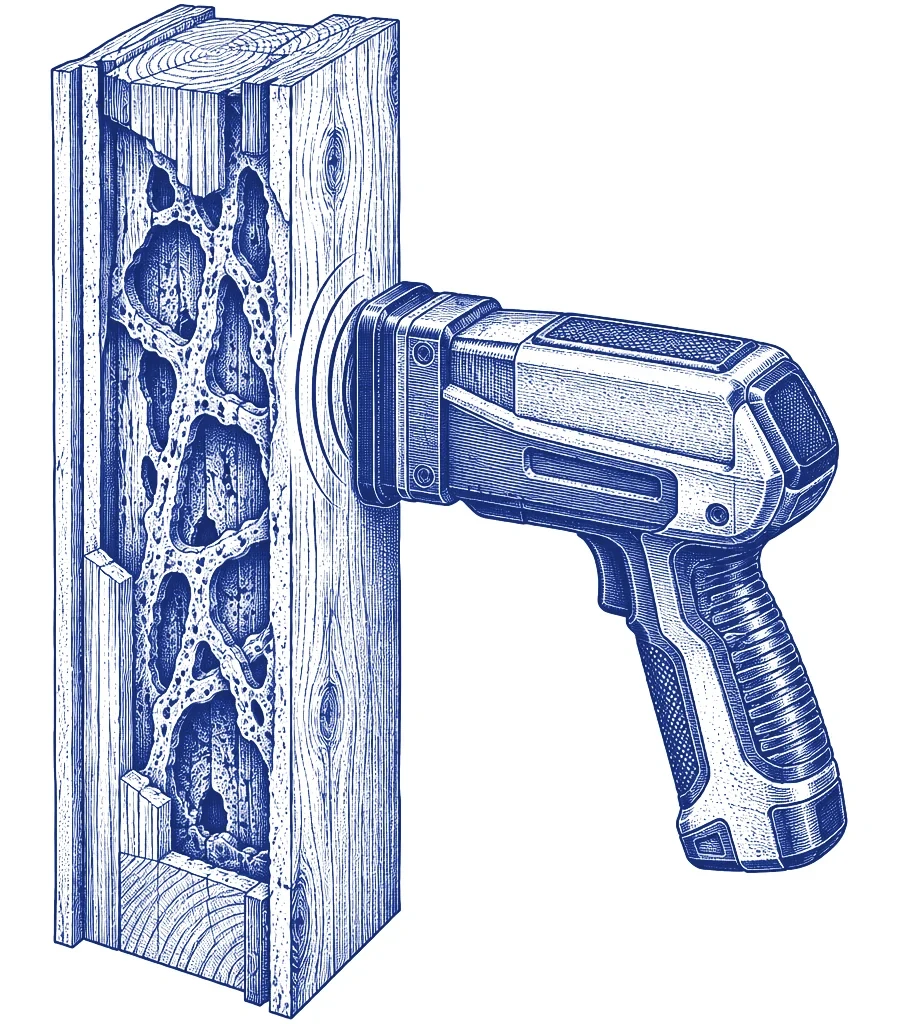
General pest servicing does not include a termite inspection, according to Insight’s published commercial service information. The page says commercial buildings still face termite pressure, and structural timber, storerooms, wall voids and adjoining tenancies can conceal activity for a long time. Where timber damage, mud-like workings or moisture problems appear, it advises booking a termite inspection as a separate assessment.1
Ask any provider whether termite work sits inside or outside the plan, and get the answer in the written scope. If an inspection finds activity, Insight also publishes a guide to termite treatment cost in Rockhampton.
How do you compare commercial pest control quotes?
Compare quotes only after the scopes match. Insight’s published pricing guidance lists what moves the price: site size, business type, pest, number of risk zones, internal and external scope, access outside operating hours, food or stock preparation, number of tenancies, reporting needs and one-off versus recurring service. It notes that a small office kitchenette and a food premises with storage, waste and deliveries are not comparable jobs.1
Put the same questions to every provider:
- Which areas are included, and which are excluded?
- Does the inspection go beyond the room where pests were seen?
- How often will you visit, and what sets that frequency?
- What access window, key contact and preparation do you need?
- What will each visit’s record contain, and in what format?
- What happens if we see pests between visits?
- Which recommendations fall to us or the landlord, and how are they recorded?
- Who inspects, who treats and who keeps the records?
- Is a termite inspection included or separate?
The eighth question decides whether each visit builds on the last one. Insight’s page says owner and technician Brendan Bartley does its commercial work himself and carries 10 years of pest, termite, commercial and construction-sector experience. It says the person who inspects the site is the person who plans the treatment, keeps the records and answers the phone on the next visit.1 Ask every provider the same question and judge the answer against your site.
Expect a quote built from the scope. Insight’s FAQ asks for enough operational detail to prepare a scope-based quote.1
Frequently asked questions
What is a pest management plan?
A pest management plan is the agreed scope for controlling pests at a site over time. It sets where the technician inspects and treats, how often visits happen, how access works, what each visit records and what follow-up happens. For a business, it also records which building or housekeeping fixes fall to the business or the landlord.1
Is commercial pest control worth it?
It depends on the site’s exposure. Insight’s published guidance says recurring service may suit sites with ongoing food, waste, delivery, storage or multi-tenancy exposure, while one-off treatment may suit a defined issue.1 The value of a plan sits in the parts you can check: named zones, a record after each visit and follow-up with an owner.
Does a commercial pest control plan make a business compliant?
A pest plan produces service records. Whether those records satisfy an auditor, landlord or franchise system depends on that party’s requirements. Insight’s published service information says documentation requirements differ between businesses, landlords and internal systems, and should be agreed before work starts.1
Can a property manager put several tenancies on one plan?
Insight’s published service information says a property manager can book for several tenancies. It asks for each address or tenancy, the access contact, shared areas and reporting needs, and says multi-site or multi-tenancy scope should be documented clearly.1
Can pest treatment be scheduled outside trading hours?
Timing can be discussed, but agree it before you rely on it. Insight’s FAQ says availability is not assumed and asks for the preferred access window, key contact and any shutdown or security requirements at enquiry.1
What should you send when asking for a quote?
Send the business type, opening hours, affected zones, recent sightings, customer or staff reports, food or storage areas, access contacts and any landlord or internal record requirements. Insight lists those items as the site and operating brief that starts its process.1 A quote prepared without most of them rests on guesses about the scope.
Disclosure: Searchmaxxed manages Insight marketing and publishes Glamdring Research. This article has a commercial relationship with Insight.
Sources checked
Company-owned pages establish what a company says. They do not prove a market conclusion. Each source is dated so readers can judge each claim.