Termite Barriers or Baiting: What to Compare Before Choosing
Choose from the property's inspection findings and access. Get the system-specific maintenance and monitoring requirements in writing, and retain regular professional termite inspections.
Compare termite barriers and baiting after an inspection of the property. Construction, access, termite activity and ongoing maintenance affect the choice. Insight Termite & Pest Solutions describes both as options within a property-specific termite management plan.1 Neither method removes the need for regular inspection and the installed system’s maintenance.2
TL;DR
- Start with an inspection of accessible areas and any earlier treatment records.
- Ask how the proposed system fits the construction and the parts of the property that can be reached.
- Confirm monitoring and maintenance requirements in writing.
- Use the installed system’s notice and product requirements to plan servicing.
- QBCC recommends a professional inspection and report every year, or more often in high-hazard areas.2
What question should an inspection answer first?
The first question is what is happening at the property. Visible termite activity, earlier treatment and conditions that help termites enter can lead to different recommendations. Insight’s published barrier guidance says its work begins with accessible-area checks and a property-specific assessment.1
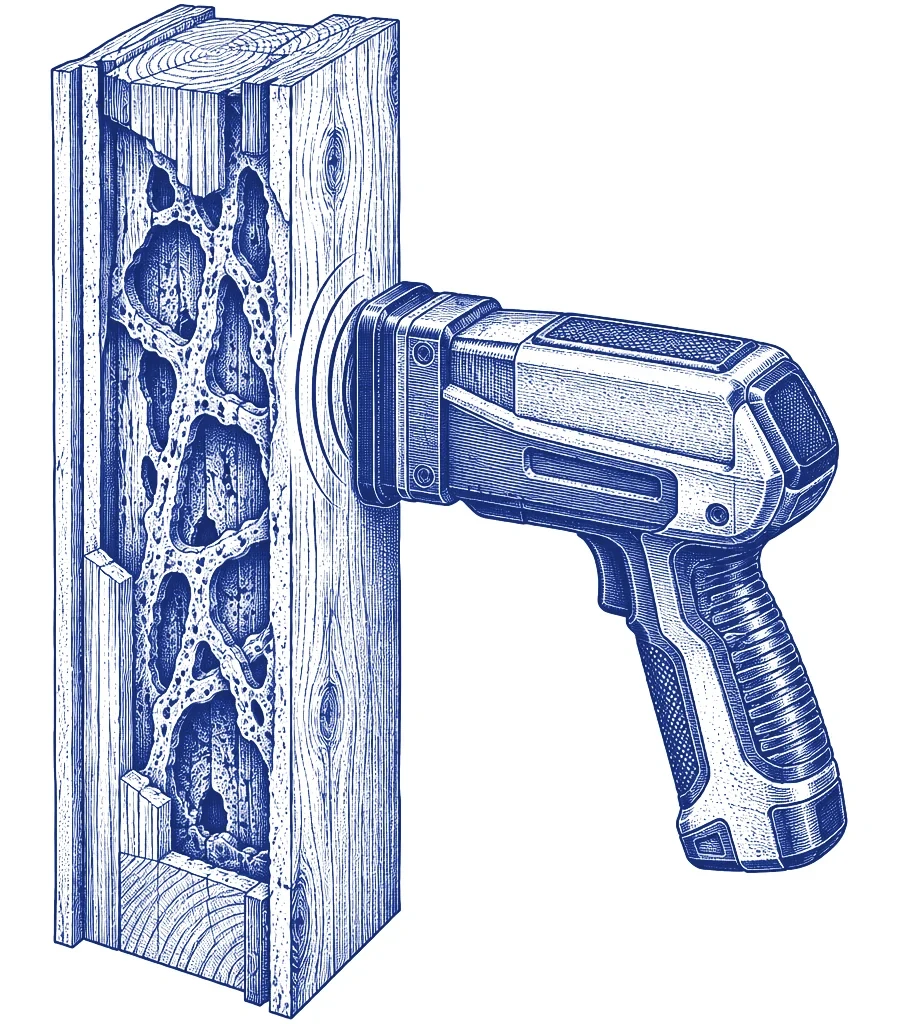
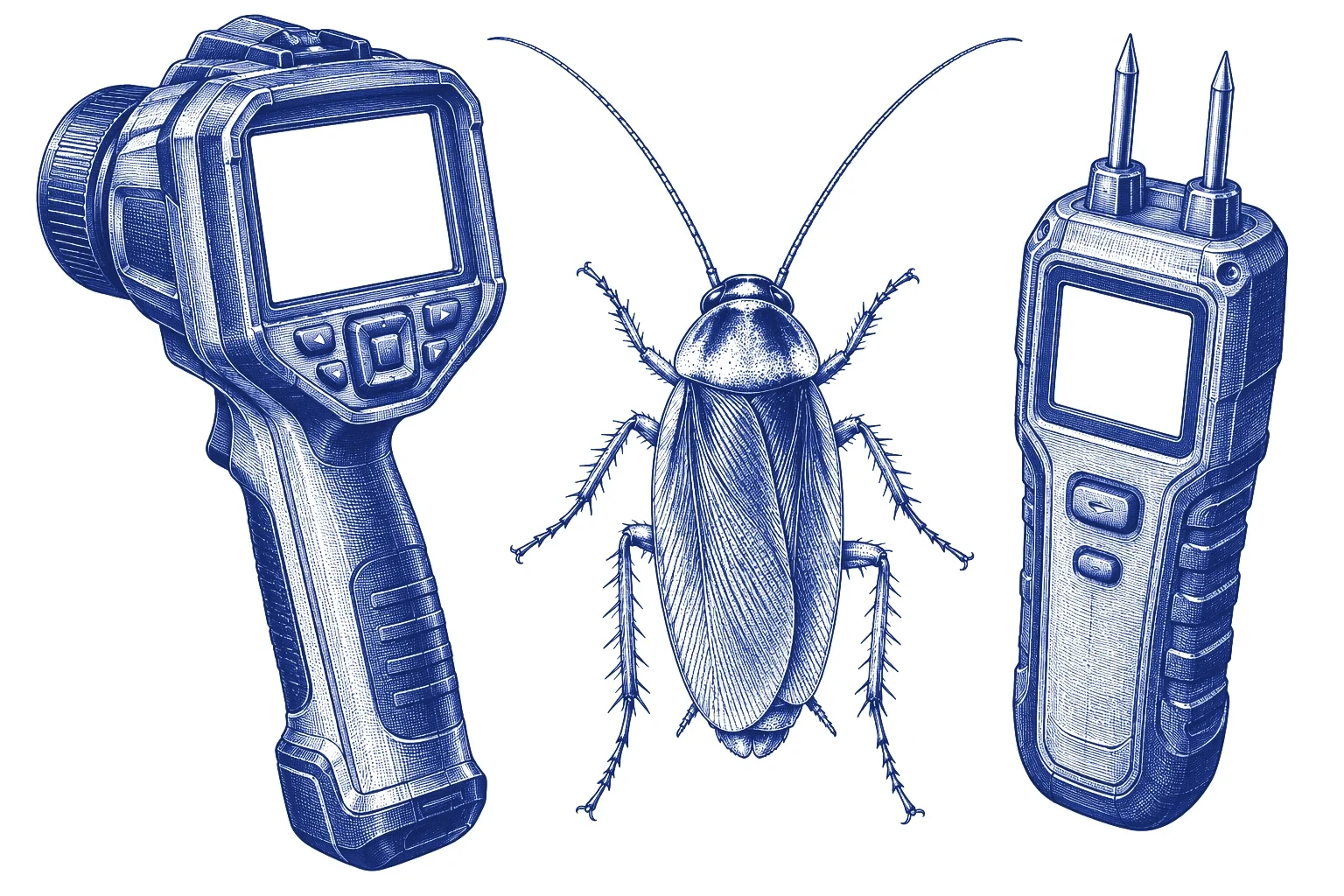
An inspection may consider roof voids and subfloors where access is safe. Internal and external areas, foundations and moisture conditions also matter. Insight says it uses moisture detection and thermal imaging alongside those checks.1 Ask which areas could not be reached and how that limits the findings.
Give the inspector earlier reports and any installation or treatment records. A system already in place may have specific inspection and maintenance requirements. QBCC says the termite management notice should record the type of system and the installer’s or manufacturer’s inspection recommendations.2
If you have found possible live termites, leave the evidence undisturbed and arrange an assessment. Insight’s published guidance makes inspection the first step before selecting treatment.1
What should you compare between barriers and baiting?
Compare the proposed scope for your property. A method name alone does not tell you which areas are included or what follow-up will be needed.
| Question | Barrier proposal | Baiting proposal |
|---|---|---|
| Where will the work happen? | Identify the protected areas and any access limitations | Identify station locations and access needed for checking them |
| What must happen first? | Record preparation and any work needed to reach the proposed areas | Record inspection findings and any access or preparation needs |
| What follows installation? | Get the inspection and maintenance requirements | Get the monitoring and servicing requirements |
| What records do you receive? | Installation details and the system’s maintenance instructions | Monitoring records and the agreed service instructions |
| What affects the quote? | Property construction, access and the agreed installation scope | The agreed station and monitoring scope |
The table is a buying checklist. Your inspector should explain which of these questions apply to the specific system proposed. Insight’s published service information describes liquid barriers, baiting, follow-up and monitoring as options selected after assessment.1
How does property access affect the choice?
Access affects what can be inspected and where work can be carried out. Insight lists construction, soil conditions, access, moisture and earlier termite activity among the factors it considers before recommending a barrier. Paving and garden beds can also affect the plan.1
Tell the inspector about narrow sides and covered slab edges. Mention extensions and areas where stored goods restrict access. The proposed scope should explain which areas will be reached and which remain limited.
For a local example of the enquiry process, the termite barrier Rockhampton page asks owners for the property type and access concerns. That helps establish the site questions before a recommendation.3
What maintenance should you agree before installation?
Agree the installed system’s inspection and maintenance requirements. QBCC says a termite management notice records the system type and relevant recommendations. Where chemicals are used, it should also record the life expectancy on the APVMA label.2
That information is more useful than a generic claim that every barrier lasts the same number of years. Ask where the notice will be kept and which records you should retain. QBCC says a termite management notice can usually be found in the electrical meter box.2 Leave electrical enclosures and wiring to appropriately qualified people.
For baiting, ask which monitoring visits are included and how findings will be recorded. For a barrier, ask which maintenance or replenishment requirements apply to that particular system. Insight’s published guidance says recommendations should be matched to the property and followed by the appropriate inspection or monitoring.1
Does either system replace termite inspections?
Regular inspections remain part of termite management. QBCC recommends hiring a licensed pest controller to inspect and report on the property every year, or more often in high-hazard areas. It also says owners need to meet their system’s maintenance requirements.2
A bait-station check and a whole-property inspection can have different scopes. Ask the provider what each visit includes. Keep reports and treatment records together so later findings can be compared with the earlier history.
How should you compare the total cost?
Compare quotes with matching scope and follow-up. Insight’s termite treatment cost guide describes property-specific pricing factors. Ask what installation, monitoring and any later servicing include before comparing the total.4
Put four questions to each provider:
- Why does this option suit the inspection findings?
- Which areas and work are included?
- What maintenance and monitoring will be required?
- What is excluded from the quote and any system guarantee?
The answers should connect the method to your property. Keep the written proposal with the inspection report and the system records.
Frequently asked questions
Is baiting always better than a barrier?
The choice depends on the property and the inspection findings. Insight’s published guidance includes both options within an assessment-led plan. Ask the provider to explain the access and follow-up requirements of its recommendation.1
Can an existing home have a termite-management system?
Insight’s service information covers assessment of established homes as well as different construction and access conditions. The system proposed should fit the actual structure and the areas that can be reached.1
What should you do if the property already has a system?
Gather its installation and service records. Check the termite management notice for the system type and inspection or maintenance recommendations. QBCC says owners must meet those maintenance requirements.2
Does a termite-management guarantee cover every property problem?
Read the particular guarantee’s conditions with the written scope. Ask which system and work it covers and what inspections or maintenance are required. Avoid treating a headline guarantee as a substitute for those terms.
Disclosure: Searchmaxxed manages Insight marketing and publishes Glamdring Research. This article has a commercial relationship with Insight.
Sources checked
Company-owned pages establish what a company says. They do not prove a market conclusion. Each source is dated so readers can judge each claim.