Model infrastructure
Research desk on AI model infrastructure: inference economics, model serving, accelerator supply and the deployment systems behind production AI.
Lambda Labs alternatives: price pages, September 2026
On a USD comparison basis, RunPod's H100 PCIe rate leads seven Lambda alternatives at $2.89 per GPU-hour. B200 changes the order. Confirm currency, tax, allocation and execution terms; marketplace medians and quote-only configurations remain separate.
RunPod review: pricing, G2 and Trustpilot, September 2026
RunPod merits a GPU-compute shortlist. Separate the compute tariff from retained storage costs, confirm capacity, and use the dated ratings as evaluation context rather than proof of production reliability.
RunPod vs Modal: listed GPU prices, September 2026
For equal billed GPU time on a USD comparison basis, RunPod's H100 Pod rate is lower than Modal's base GPU rate, which is lower than RunPod Serverless's. Confirm currency, taxes, worker metering and separate resource charges before comparing invoices.
RunPod vs Vast.ai: GPU prices, September 2026
Vast.ai's displayed H100 prices were lower in the 28 September 2026 capture. RunPod listed lower A40, B200 and B300 rates; B200 memory labels differ. Compare the chosen rental's storage, transfer and capacity terms before deciding on total cost.
Together AI competitors: official prices, October 2026
On a USD comparison basis, SambaNova lists GPT OSS 120B output at 0.59 per million tokens; Groq and Fireworks tie at 0.60 and Cerebras lists 0.75. Confirm unlabelled billing currencies; Together AI's standard baseline remains unresolved.

Vast AI alternatives: official A100 prices, September 2026
On a USD comparison basis, RunPod's listed A100 80 GB rate leads five alternatives at $1.59 per GPU-hour. Vast.ai's $0.99 marketplace median is separate. Confirm billing currency, tax and allocation before treating the rate order as a purchase budget.

Vast AI pricing: Vast.ai September 2026
Use Vast.ai's reported GPU median as a budget reference, then price the chosen host's compute, storage and transfers. The 28 September 2026 price snapshot is not a current instance quote; billing documentation was checked separately on 1 October 2026.

Vast.ai reviews: prices and limits, September 2026
Assess the specific Vast.ai offer and the whole-job cost. Published rates and review aggregates do not establish the selected host's performance; interruption, idle storage and credit-balance rules change the rental decision.
Claude API vs subscription: Anthropic September 2026
The API costs less below the relevant subscription fee. A subscription can cost less above it when its limits permit the same work and its total bill, including paid usage, stays below the API alternative.
CoreWeave competitors: B200 list prices, September 2026
Modal's lowest listed B200 GPU-task base figure converts to $6.25 per GPU-hour. This is not a matched capacity price: separate resources, execution premiums, instance size, currency and tax terms matter. Nebius lists higher rates effective 1 October 2026.
CoreWeave vs Nebius: prices and Q2 results, Sep 2026
Nebius lists lower H100, H200 and B200 on-demand GPU-hour prices in the 28 September check, including its separately listed October rates. CoreWeave reports greater Q2 revenue; revenue backlog and customer commitments are not equivalent measures. Matched quotes are needed for committed usage.

Gemini 2.5 Pro API pricing: Google, September 2026
Gemini 2.5 Pro lists $1.25 input and $10 output per million tokens for prompts up to 200,000 tokens. Gemini 3.1 Pro Preview lists $2 and $12. Longer prompts increase both rates, on Google's prices checked 28 September 2026.
OpenAI GPT-5 API pricing: every model, September 2026
gpt-5-nano is the cheapest GPT-5 model on the OpenAI API at $0.05 input and $0.40 output per million tokens; gpt-5.5-pro and gpt-5.4-pro are the dearest at $30 and $180. Batch and Flex halve the standard rate, and Fast mode doubles it on most models.

Groq competitors: gpt-oss-120b prices, September 2026
SambaNova lists the lowest gpt-oss-120b output figure, 0.59 USD per million tokens. Total-bill comparisons depend on input mix, currency and billing mode; Groq and Together AI have lower listed input figures, and Cerebras's self-serve rate is an exploration offer.
Groq vs Cerebras: price pages and speed claims, Sep 2026
Groq lists GPT-OSS 120B at $0.15 input and $0.60 output per million tokens, against Cerebras's $0.35 and $0.75. Cerebras charges less on Qwen 3.8 27B below about 13.2 input tokens per output token. Its production capacity is quote-only.
LLM API pricing ranked: OpenRouter September 2026
Mistral's mistral-nemo has the lowest output price of any major-lab model on OpenRouter's list, at US$0.03 per million output tokens and US$0.019 input. Rank on output, then price your own input-to-output mix: the second-ranked listing costs more than the fifth on an input-heavy workload.
Modal GPU pricing: Modal rates, September 2026
Modal lists H100 SXM5 at about US$3.95 per GPU-hour. Compare the full workload bill: CPU, memory, plan fees and execution options are separate cost inputs.
OpenAI API pricing: OpenAI price page, September 2026
gpt-5-nano has the lowest listed input price at $0.05 per million tokens; o1-pro has the highest at $150. Rates come from OpenAI's expanded pricing tables, checked 28 September 2026.
OpenAI Realtime API pricing: OpenAI price list, Sep 2026
The two mini models list the lowest realtime audio prices: $10 per million input tokens and $20 per million output tokens. Full-size models charge $32 and $64. These are OpenAI's prices checked 28 September 2026.
OpenAI Whisper API pricing: OpenAI docs, September 2026
Whisper costs $0.006 a minute ($0.36 an hour). OpenAI lists gpt-transcribe at $0.0045 and gpt-4o-mini-transcribe at an estimated $0.003. These prices were checked 28 September 2026; accuracy needs a separate test.
OpenRouter vs Ollama: official prices, September 2026
Choose the execution location first: OpenRouter for access across hosted model providers, local Ollama for own-hardware execution, or Ollama Cloud when its models, usage credits and concurrency fit the workload. Published prices alone establish no universal cheapest option.
A100 GPU price per hour by provider: September 2026
RunPod lists the lowest on-demand A100 80 GB price of five GPU clouds checked on 28 September 2026, at $1.59 per GPU-hour.
B200 GPU price per hour: 6 clouds ranked, Sep 2026
Ranked by the lowest listed on-demand B200 price per GPU-hour, checked 28 September 2026, Modal leads at $6.25 (GPU only; CPU and memory billed separately), ahead of Lambda at $6.69 and RunPod at $6.79.
Claude API pricing per model: Anthropic, September 2026
Haiku 4.5 is the cheapest current Claude API model at $1 input and $5 output per million tokens; Fable 5.1 is the dearest current model at $10 and $50.
Claude Code API Pricing vs Plans: Anthropic, Sept 2026
Claude Pro, at $20 a month billed monthly, is the cheapest plan with Claude Code. At Anthropic's example session of 50,000 input and 15,000 output tokens, API list rates cost less than Pro below 40 Opus 5.5 sessions a month.
Claude Haiku API pricing: Anthropic, September 2026
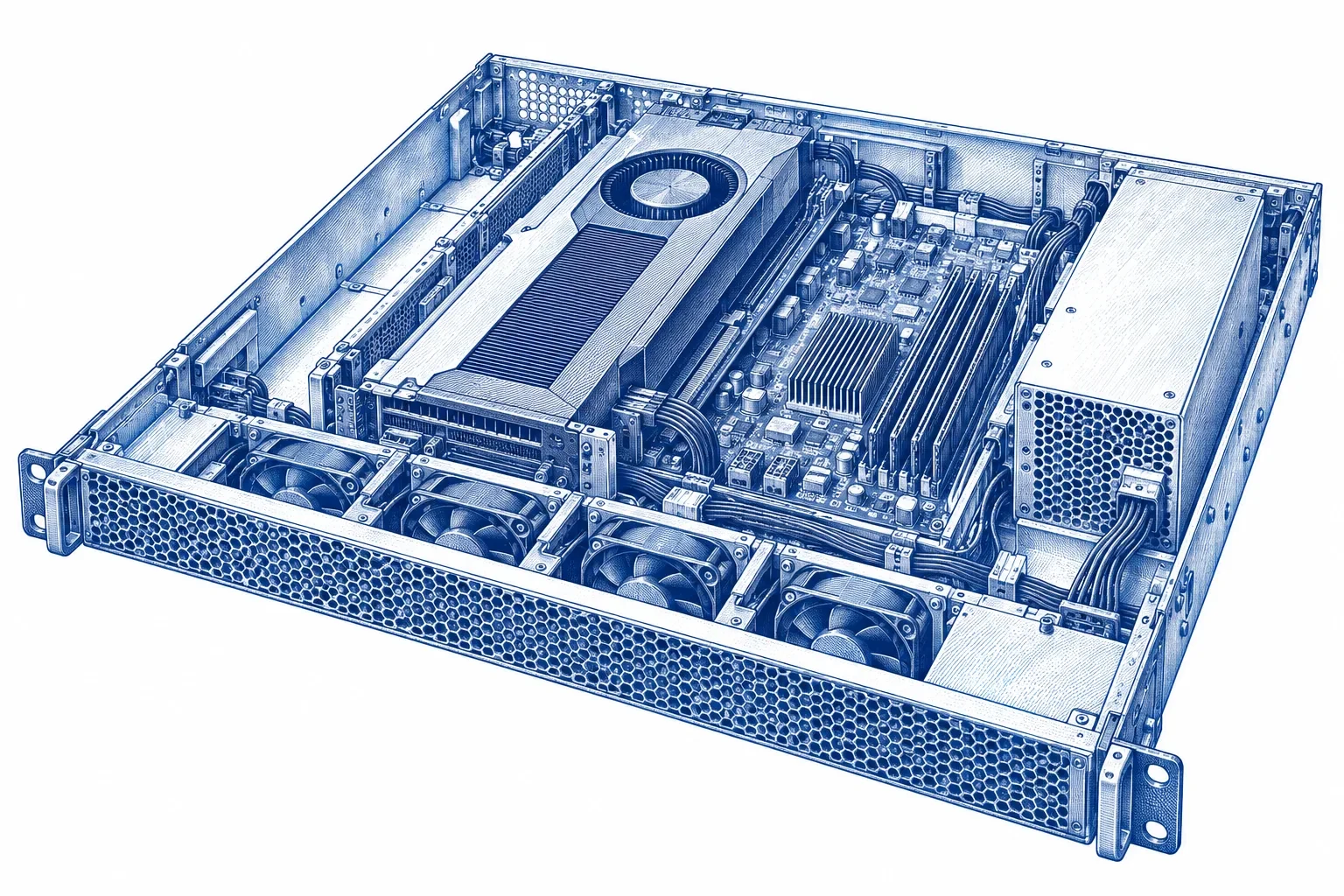
Haiku is the cheapest Claude line on every token rate Anthropic publishes. Haiku 4.5 costs $1 input and $5 output per million tokens, exactly half of Sonnet 5 and one third of Sonnet 4.6.
Claude Opus API pricing: Anthropic, September 2026
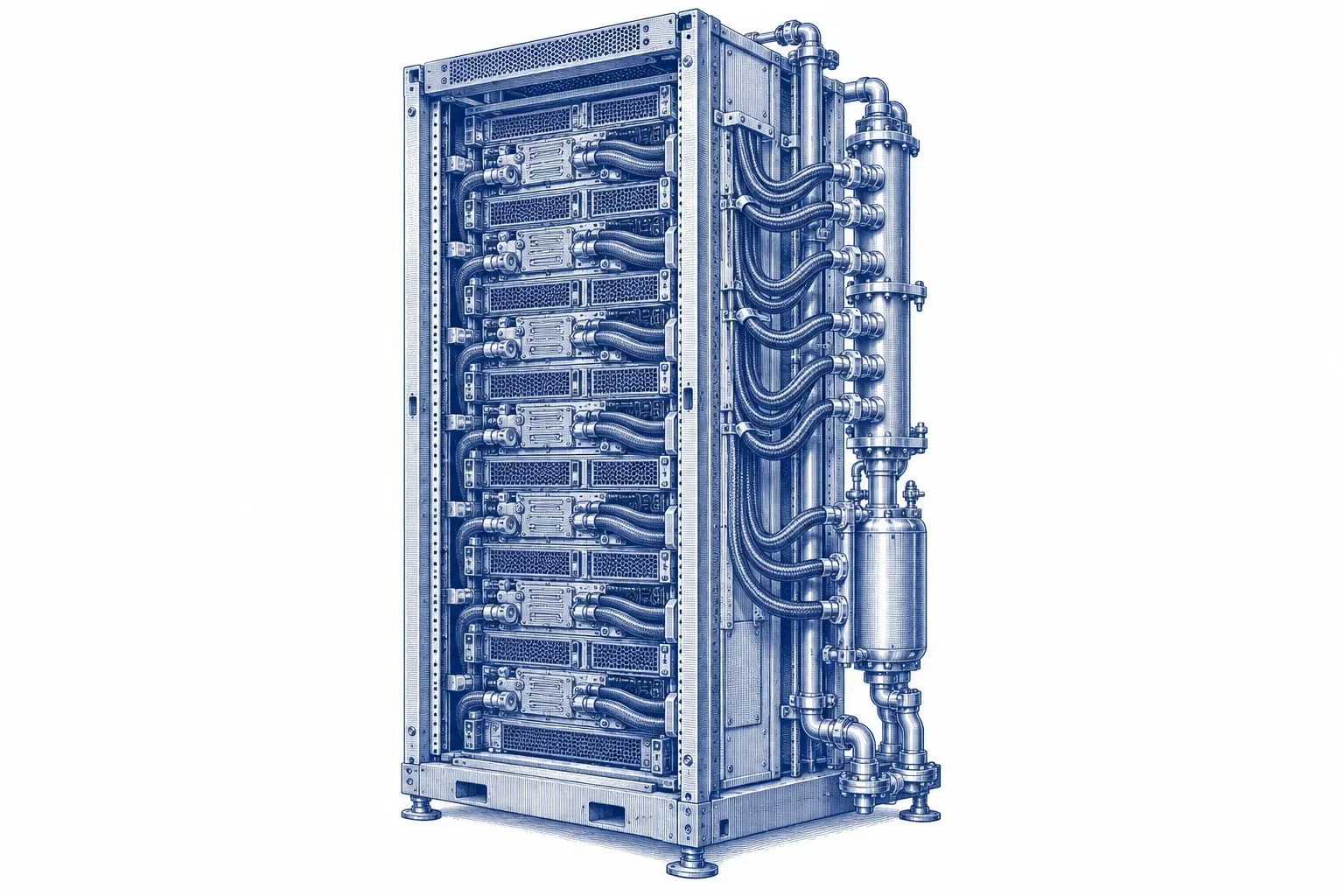
Opus 5.5 is the cheapest of the eight Opus versions Anthropic prices, at $4 input and $20 output per million tokens (checked 28 September 2026).
Claude Sonnet API pricing: Anthropic, September 2026
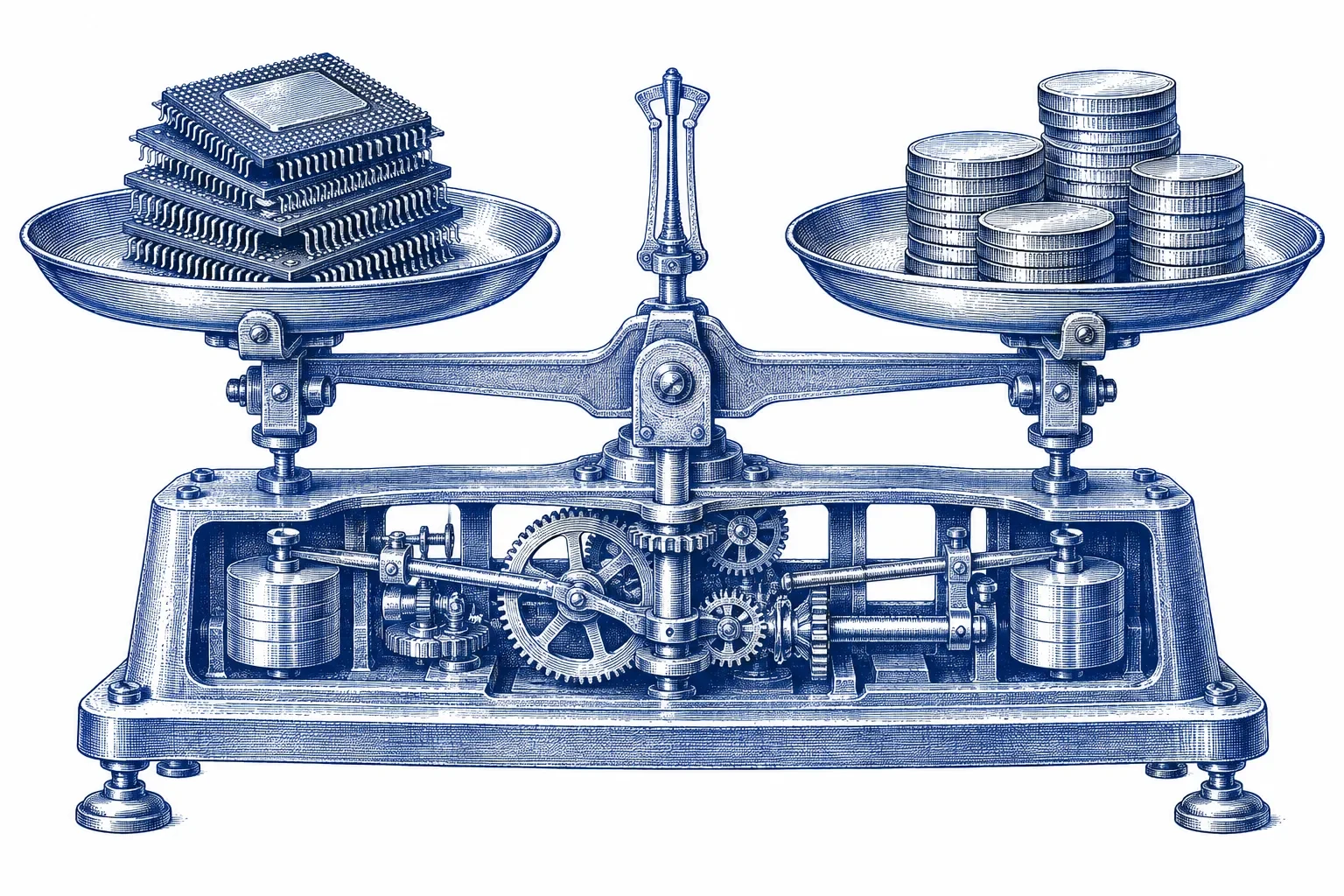
Sonnet 5 is the cheapest Sonnet on Anthropic's API at $2 input and $10 output per million tokens, two-thirds of Sonnet 4.6 ($3 and $15) on every rate. Its newer tokenizer counts about 30% more tokens, so it saves about 13% on the same text.
Cloud GPU providers ranked by H100 price, Sep 2026
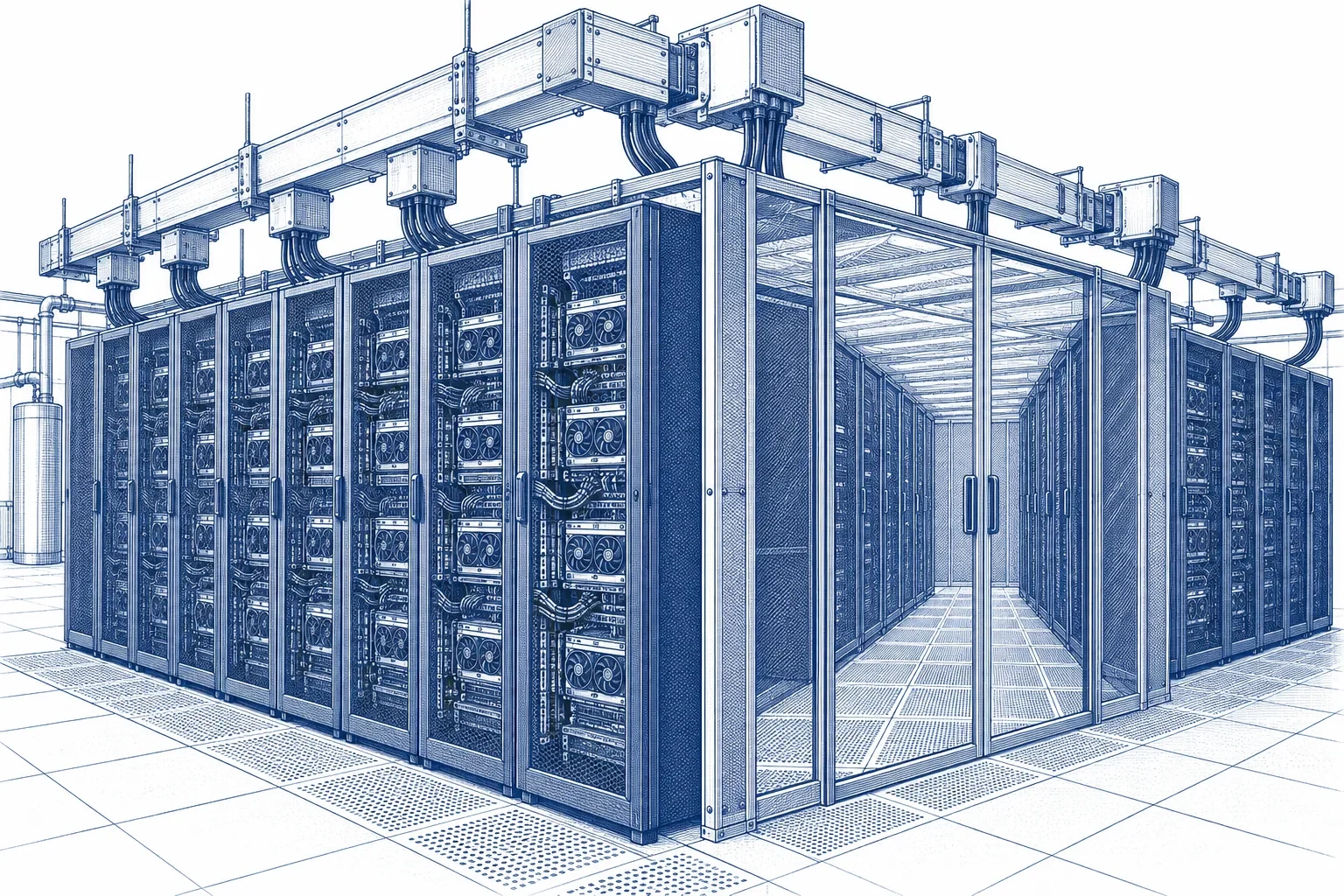
Ranked by lowest listed on-demand H100 price per GPU-hour, checked 28 September 2026, RunPod leads at $2.89 (H100 PCIe) and CoreWeave is last at $6.16 ($49.24 per 8-GPU node). All eight clouds rent H100s.
CoreWeave pricing: every GPU node, Sep 2026
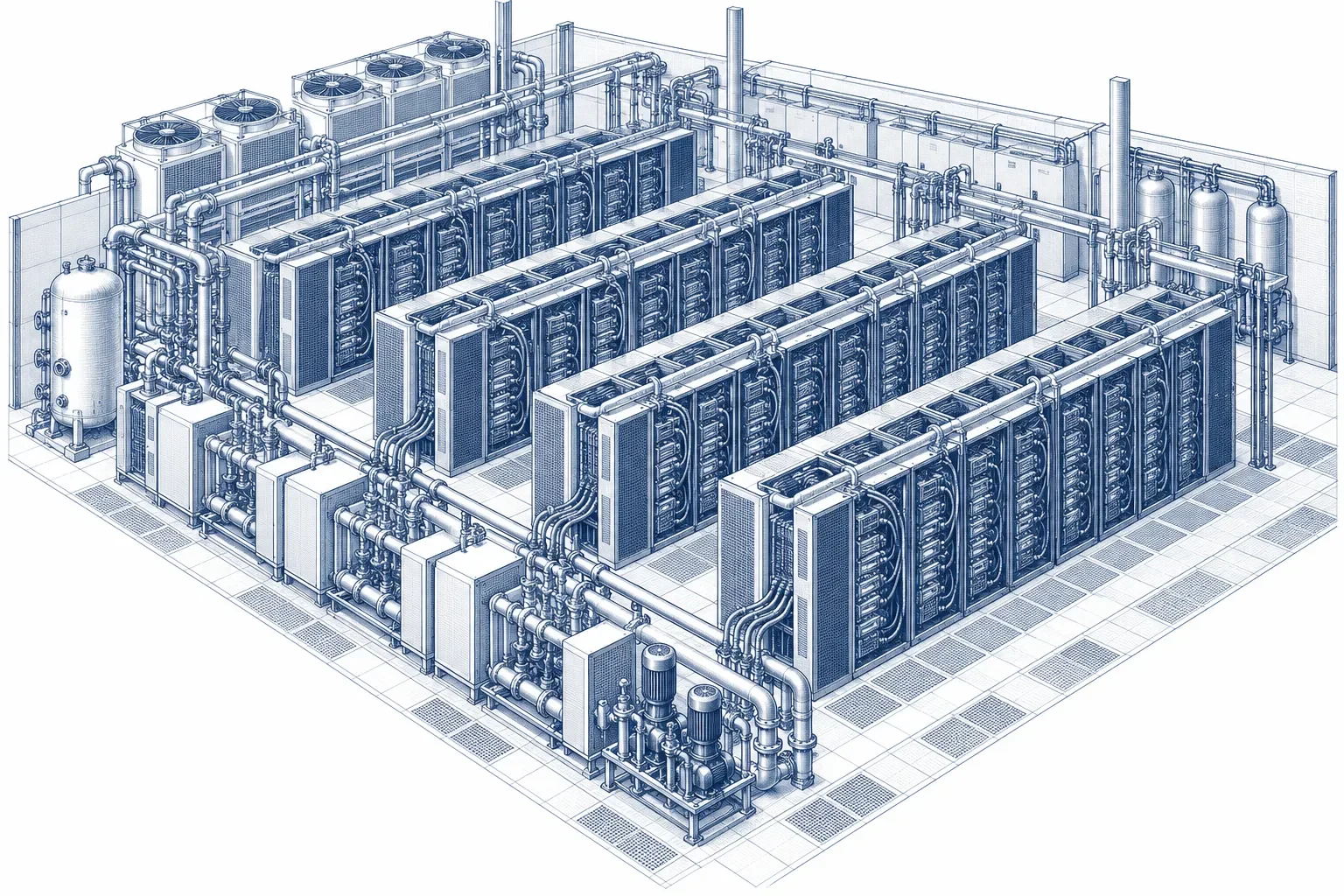
On CoreWeave's pricing page, checked 28 September 2026, the HGX B200 is the dearest self-serve GPU node at $68.80 per node-hour ($8.60 per GPU-hour) and the one-GPU GH200 the cheapest at $6.50.
Gemini API free tier limits: Google docs, September 2026
Google's free tier covers 23 of 35 Gemini API model entries, checked 28 September 2026, but Google publishes no free-tier RPM, TPM or RPD figures; they appear per project in AI Studio and aren't guaranteed.
Gemini API pricing for every model: Google, September 2026
Gemini 2.5 Flash-Lite is the cheapest Gemini API language model at $0.10 input and $0.40 output per million tokens; Gemini 3.1 Pro Preview is the dearest at $2.00 and $12.00, rising to $4.00 and $18.00 for prompts over 200,000 tokens.
Groq API pricing: Groq model list, September 2026
For production text work at a public price, Groq offers two models: GPT OSS 20B at $0.075 input and $0.30 output per 1M tokens, and GPT OSS 120B at $0.15 and $0.60.
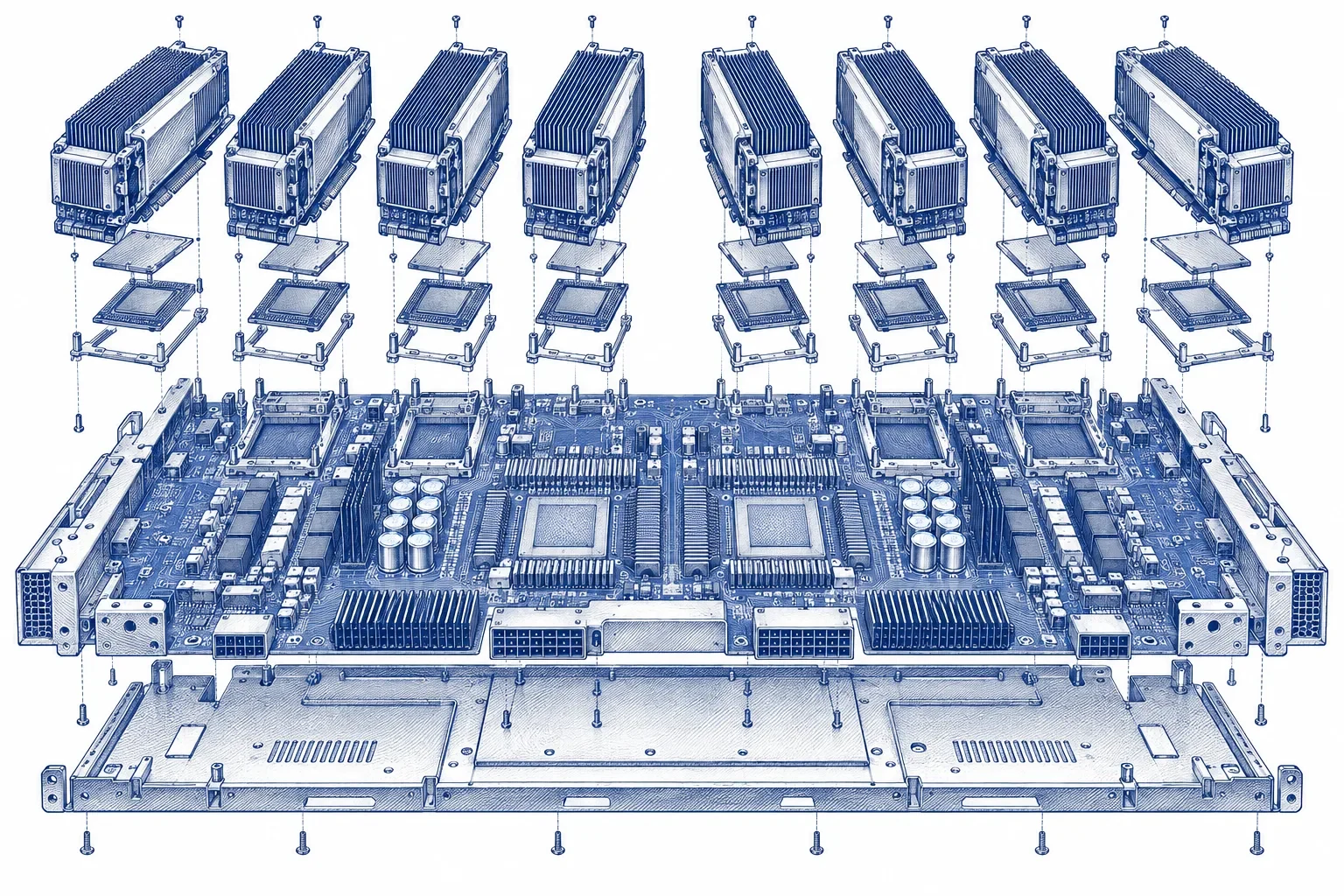
H100 GPU price per hour: 8 clouds ranked, Sep 2026
Ranked by lowest listed on-demand H100 price per GPU-hour, checked 28 September 2026, RunPod leads at $2.89 (H100 PCIe) and CoreWeave is last at $6.16 ($49.24 per 8-GPU node, divided by eight).
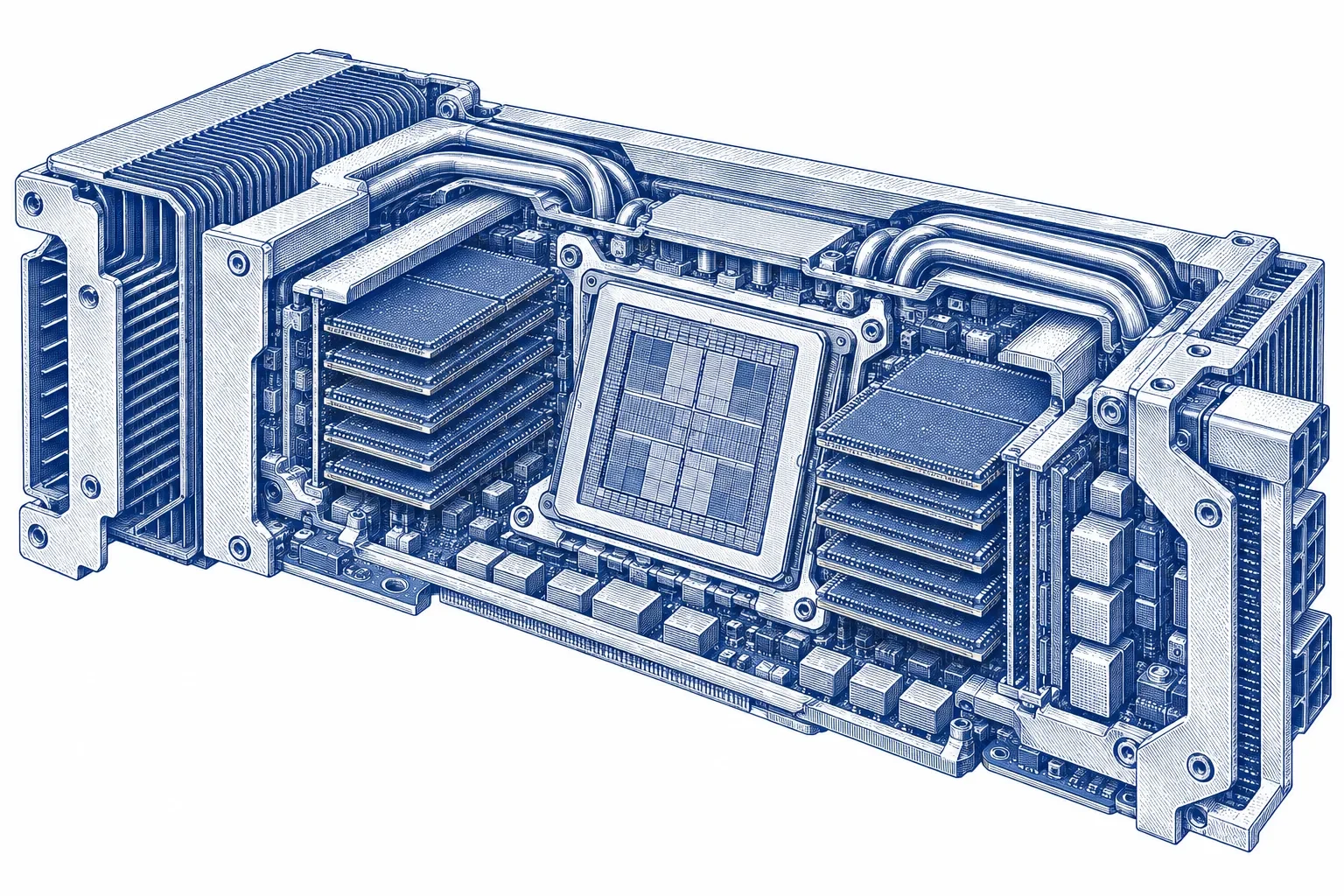
H200 GPU price per hour by provider, September 2026
Crusoe lists the cheapest on-demand Nvidia H200 at $4.29 per GPU-hour (US dollars, before tax) on 28 September 2026, with DigitalOcean, Nebius, Modal and RunPod within 30 cents and Together AI ($5.99) and CoreWeave ($6.30 per GPU from an eight-GPU node) a tier higher.
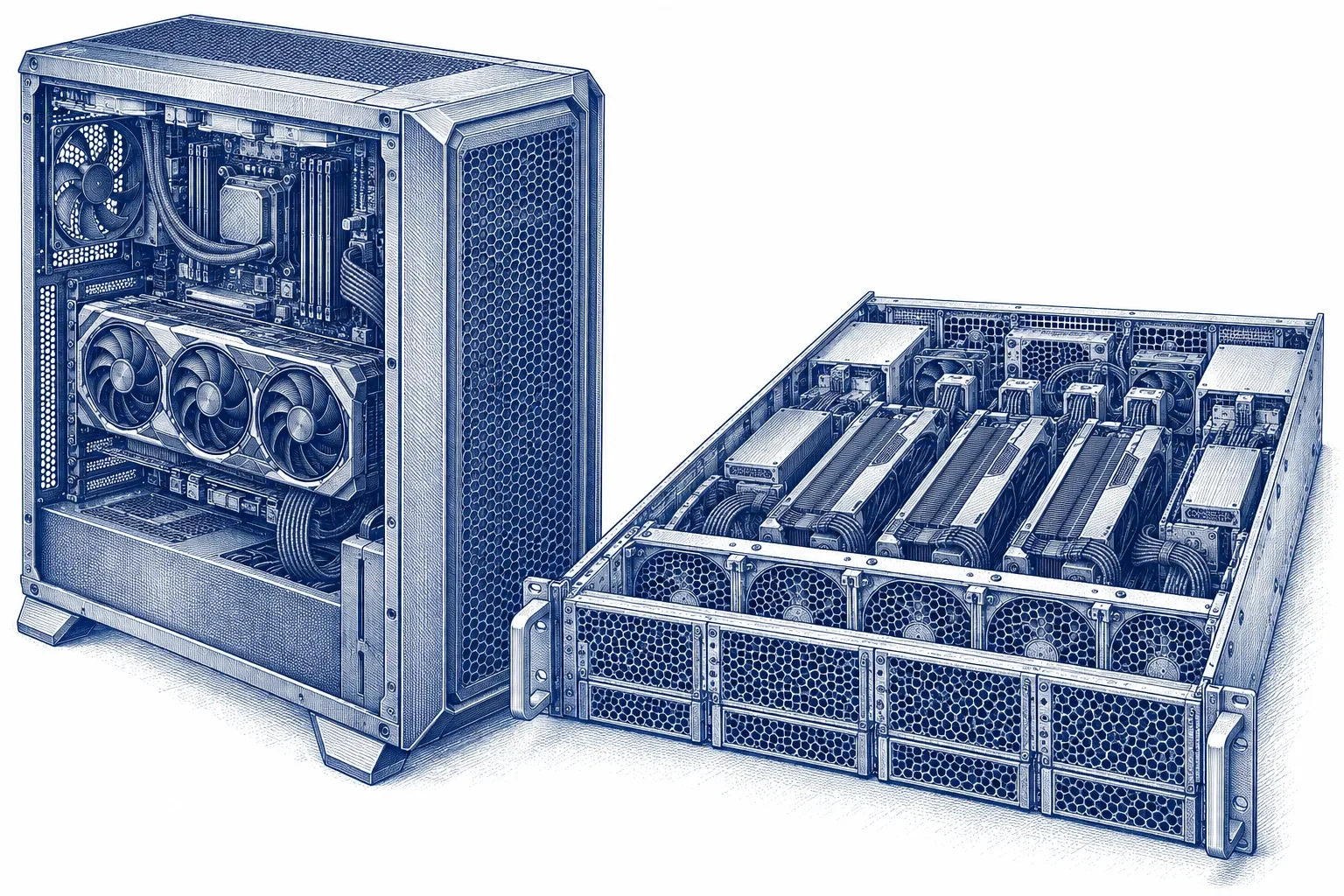
Lambda Labs pricing: Lambda price list, September 2026
For H100 and B200, Lambda's 8-GPU instance is its cheapest published rate ($3.99 and $6.69 per GPU-hour, before tax, checked 28 September 2026). 1-Click Clusters cost 32.6% to 54.4% more per GPU-hour and are priced by GPU count, not term, across 2 weeks to 1 year.

LiteLLM vs OpenRouter: Fees, Hosting, Models (Sep 2026)
Choose OpenRouter for one hosted endpoint and one bill at a 5.5% fee on credit purchases; choose LiteLLM when traffic must stay in your own infrastructure or when 5.5% of monthly spend exceeds the cost of hosting and running a gateway.
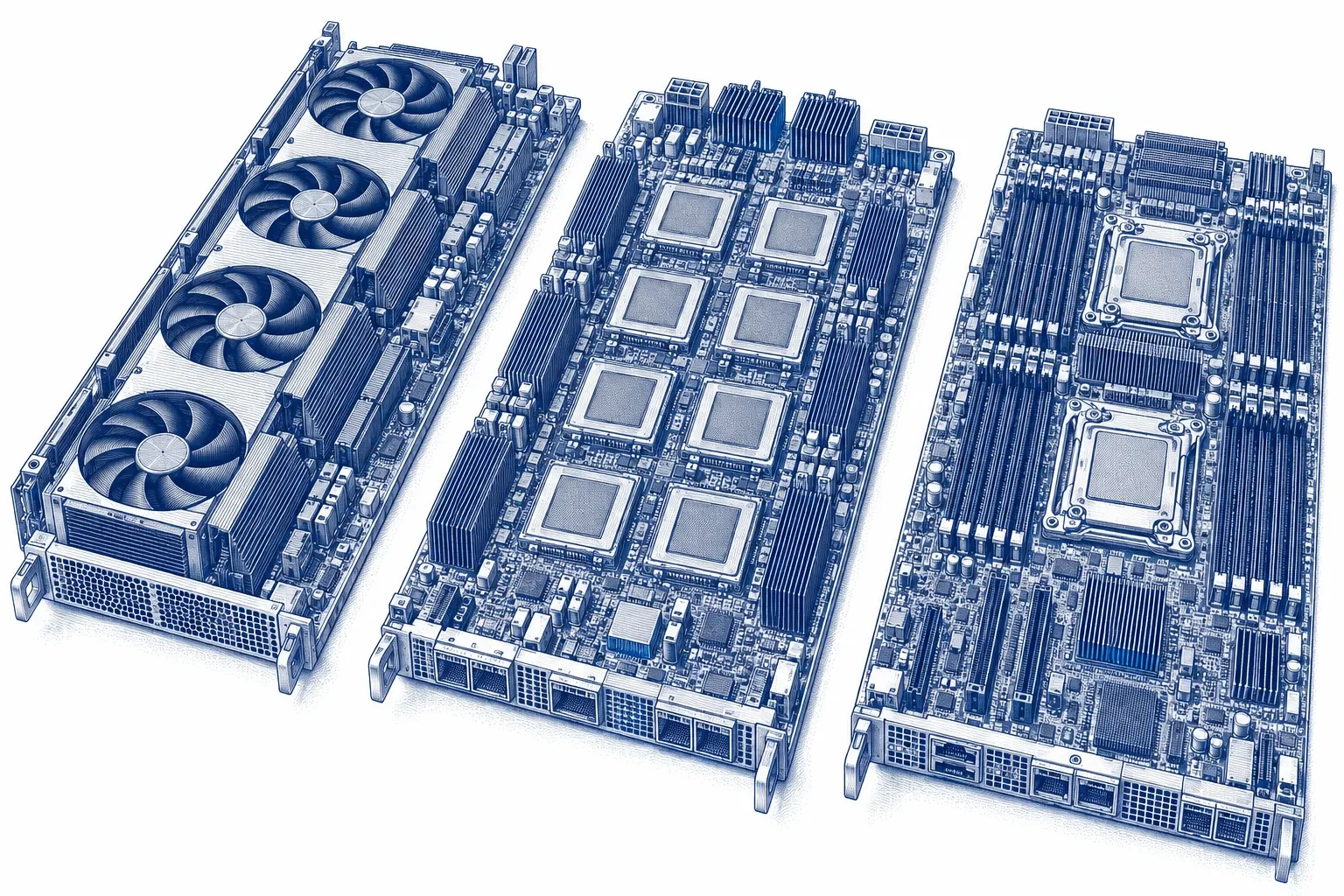
OpenAI API alternatives: OpenRouter prices, Sep 2026
No lab undercuts OpenAI's cheapest model on listed input price: gpt-oss-20b ranks first at $0.018 per million tokens on OpenRouter on 28 September 2026, ahead of Mistral Nemo ($0.019) and DeepSeek V4 Flash 0731 ($0.021).
OpenRouter alternatives: AI gateway fees, Sep 2026
Of five OpenRouter alternatives, checked 28 September 2026, Vercel AI Gateway publishes the lowest fee on model spend: no markup and no platform fee on tokens, against OpenRouter's 5.5% Standard fee. Requesty and Cloudflare Unified Billing take 5%.
OpenRouter free models: API list, September 2026
OpenRouter's public API priced 21 of 458 models at zero on 28 September 2026. They suit testing, not production: free use is capped at 50 requests a day, or 1,000 after buying at least 10 credits.
OpenRouter pricing: fees and limits, September 2026
OpenRouter's own charge is a fee on buying credits: 5.5% by card with a $0.80 minimum, 5% in crypto, and a listed 8% on Business. It states model prices pass through with no markup.
RunPod alternatives by H100 price: September 2026
No alternative checked lists a cheaper on-demand H100 than RunPod's $2.89 H100 PCIe (checked 28 September 2026). Lambda is the cheapest alternative at $3.29 per GPU-hour; Nebius ($3.85) and Crusoe ($3.90) follow.
RunPod pricing per GPU hour: runpod.io, September 2026
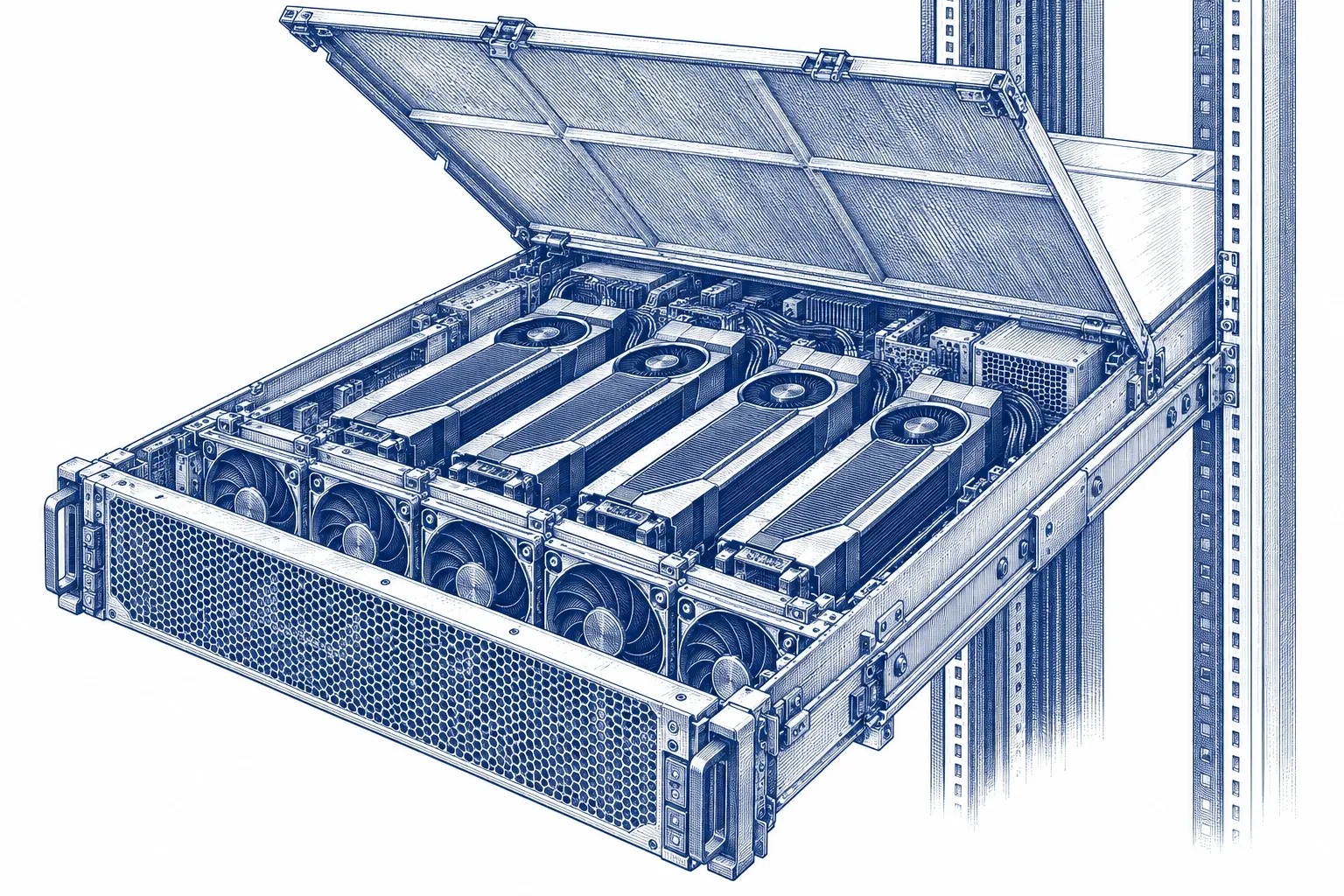
RunPod lists 21 Pod GPUs from $0.27/hr (RTX A5000) to $7.89/hr (B300), billed per second with no egress fees.
Together AI pricing: GPU clusters and inference, Sep 2026
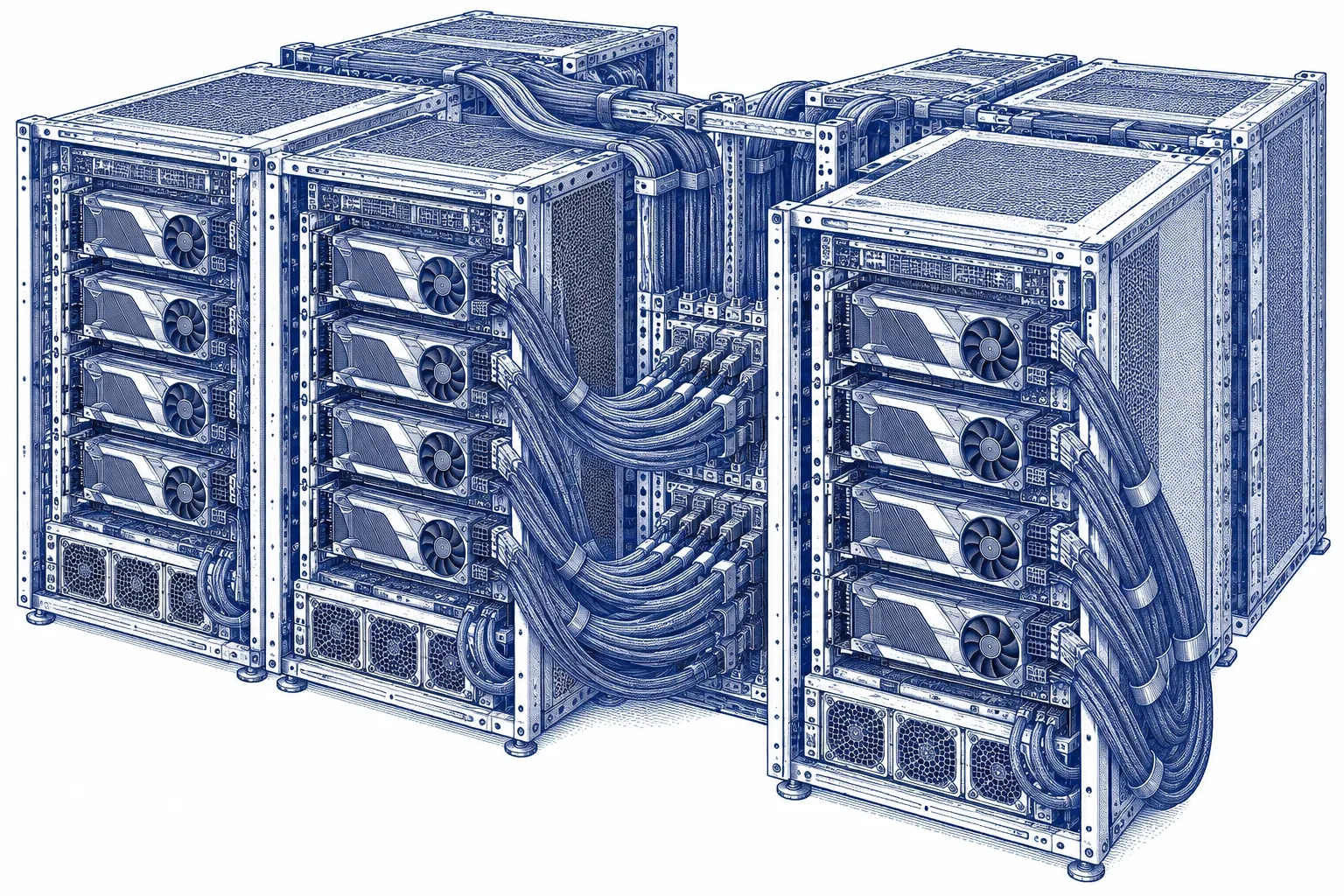
On Together AI's pricing page, checked 28 September 2026, the HGX H100 is the cheapest cluster GPU at $3.99 per GPU-hour on demand, falling to $3.19 on a 91-to-180-day reservation and $1.99 preemptible; the B300 tops the list at $9.99.
What controls the cost of AI inference in production?
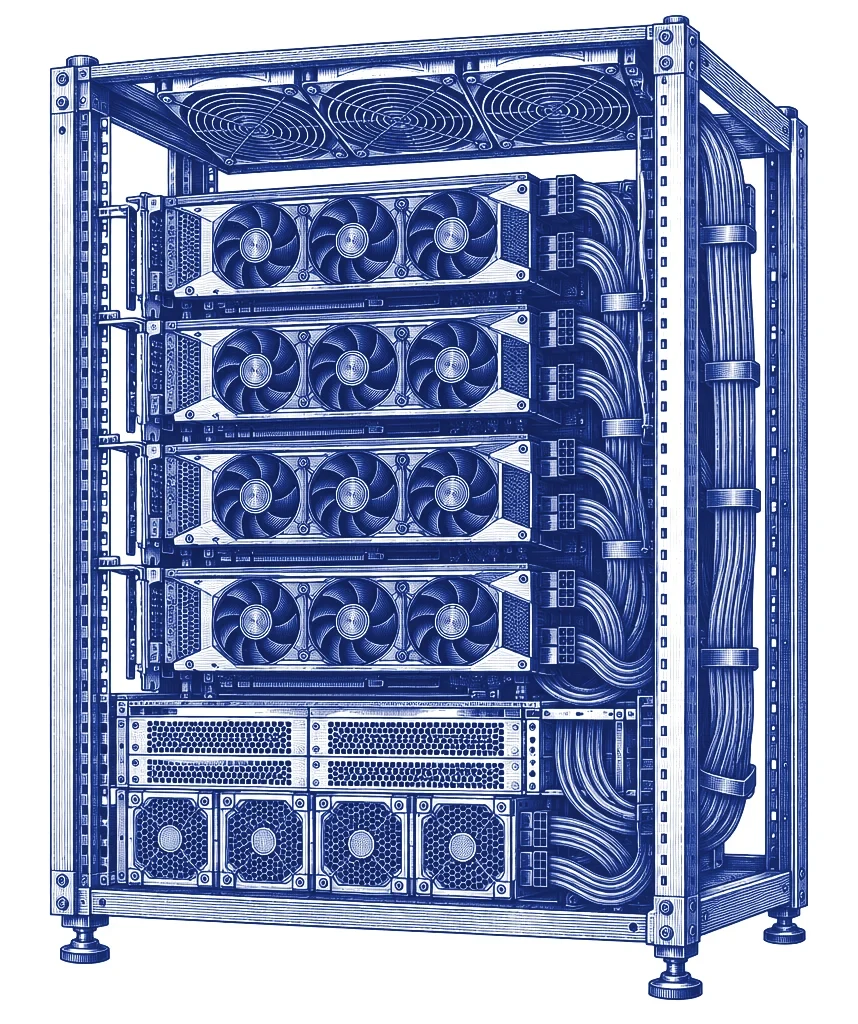
Budget for the full workload: model calls, context, retries, tools and human review. Compare cost per accepted task using current rates and explicit assumptions.